The PC-Doctor Blog

Why a Software Overwrite Doesn’t Sanitize a Modern Drive

Why a Software Overwrite Doesn’t Sanitize a Modern Drive

Last technical review: September 14, 2026 by PC-Doctor Engineering

A software overwrite writes to logical addresses. On a modern drive, the logical address the host writes to is not necessarily the physical location where the earlier data lives. Wear-leveling remaps writes on solid-state drives, retired sectors on any drive fall out of the address space, and ATA features such as HPA and DCO hide entire ranges from the host. Sanitization therefore has to be performed by the drive’s own firmware, which knows where every block is, rather than by a host that can only see the addresses it has been shown.

That is the whole argument. The rest of this article is about why it holds, where the exceptions are, and what a tool has to do about it.
Read more

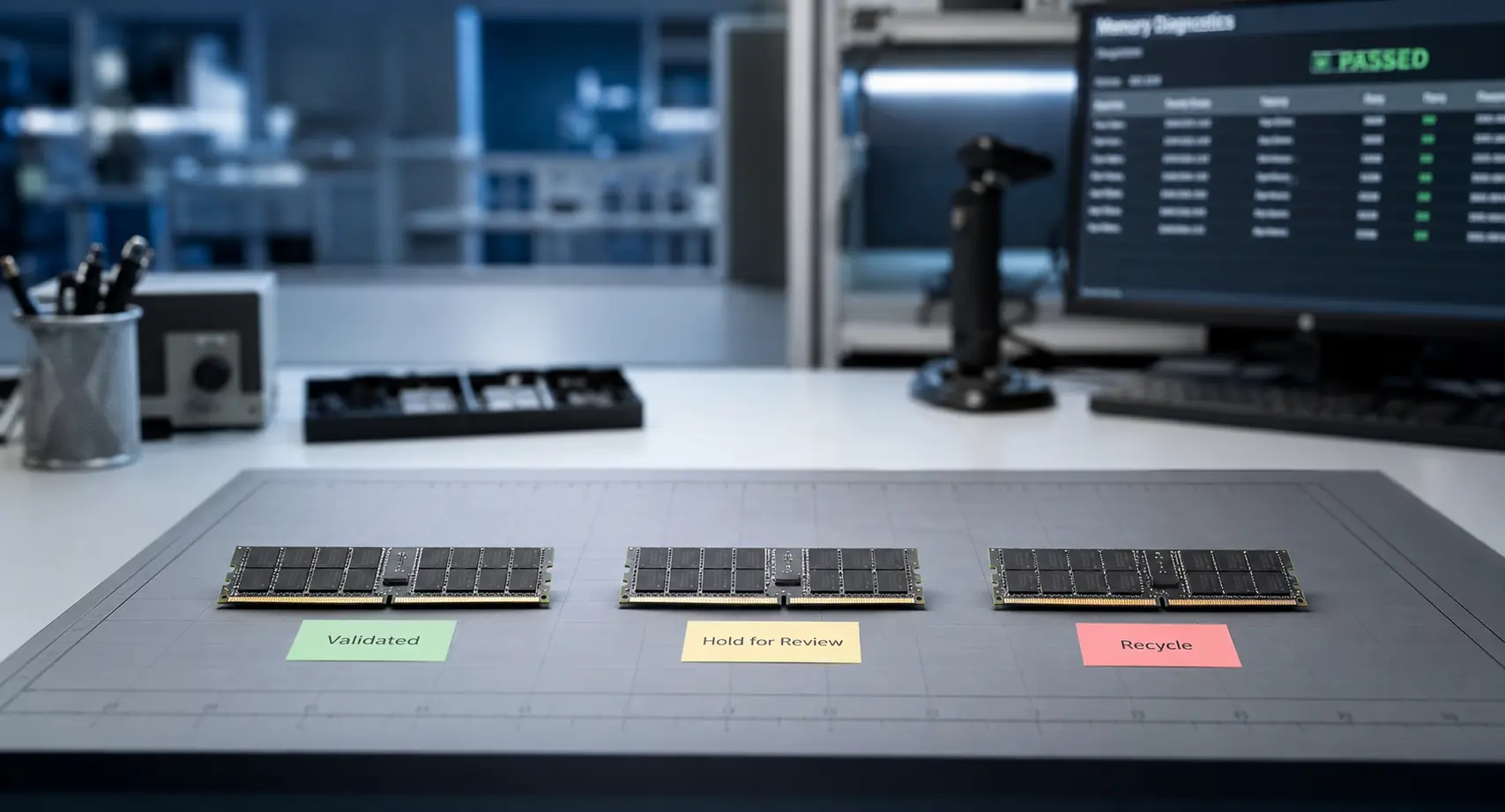
Recovered Isn't Ready: When a Used Part Earns Its Way Back In

Recovered Isn't Ready: When a Used Part Earns Its Way Back In

A follow-up to "Premium Prices Demand Premium Refurbished PCs"

Last technical review: July 16, 2026 by PC-Doctor Engineering

IBM just put a public number on something refurbishers have been feeling for months.

In the last weeks of June, IBM's clients yanked their capex toward servers, storage, and memory... buying early to lock in supply before prices climbed again. It hit IBM's own results hard enough that the CEO wrote a letter about it.1

Read more

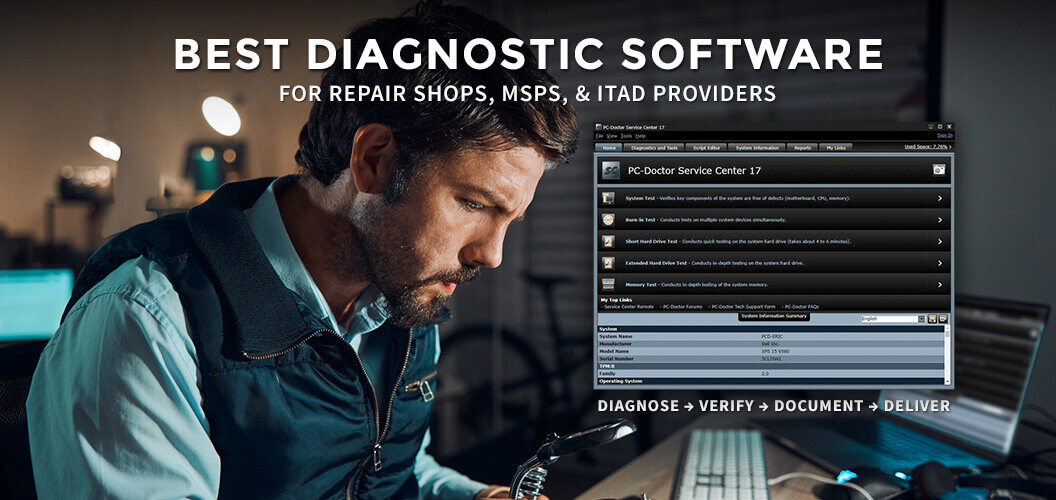
Best Diagnostic Software for Computer Repair Shops

Best Diagnostic Software for Computer Repair Shops

When customers hand over a laptop, desktop, workstation, or mobile device for repair, they expect more than guesswork.

They expect answers. They expect proof.

And, they expect the issue to actually be resolved the first time.

That’s why modern repair operations are moving away from inconsistent technician troubleshooting and toward standardized diagnostic workflows powered by professional hardware testing software.

Read more

Certified Drive Erase vs "Good Enough": What’s at Risk

Certified Drive Erase vs "Good Enough": What’s at Risk

Last technical review: September 21, 2026 by PC-Doctor Engineering

Most teams believe they are erasing data.

They run a quick format. Maybe a wipe utility. Maybe a multi-pass overwrite. Then they move on, because it feels like enough.

But "good enough" is not a sanitization level. NIST defines three — Clear, Purge, and Destroy — and each one is a statement about what an attacker can no longer recover, not about how hard the operator tried.[1] A process that cannot say which level it reached, on which drive, under which standard, has not sanitized anything. It has run a command and hoped.

The difference between informal wiping and a certified drive erase is not technical nuance. It is the difference between a claim and evidence.

Read more

What a Defensible Repair Process Actually Looks Like

What a Defensible Repair Process Actually Looks Like

Most repair and device processing operations focus on one thing: Fixing the problem.

But in high-volume environments, that’s not enough. Because it’s not just about whether a device works, it’s about whether you can prove it works.

And that’s where most operations fall short.

Read more
